Service area · Lexington
Lexington
Two very different houses account for most of the Sub-Zero work in Lexington, and they fail in different ways: the low mid-century houses on the west side, and the new construction that replaced a 1950s ranch on the same lot.
The stock
Post-and-beam, split-level, and the house that replaced one
Lexington has a genuine concentration of mid-century modern housing — the Peacock Farm and Six Moon Hill developments and the streets that copied them — and those kitchens are shallow, flat-ceilinged and often on slab. A built-in going into one of them is fitted with the minimum clearance the cabinet maker could get away with, and the ductless kitchen means warm discharge air has nowhere obvious to leave.
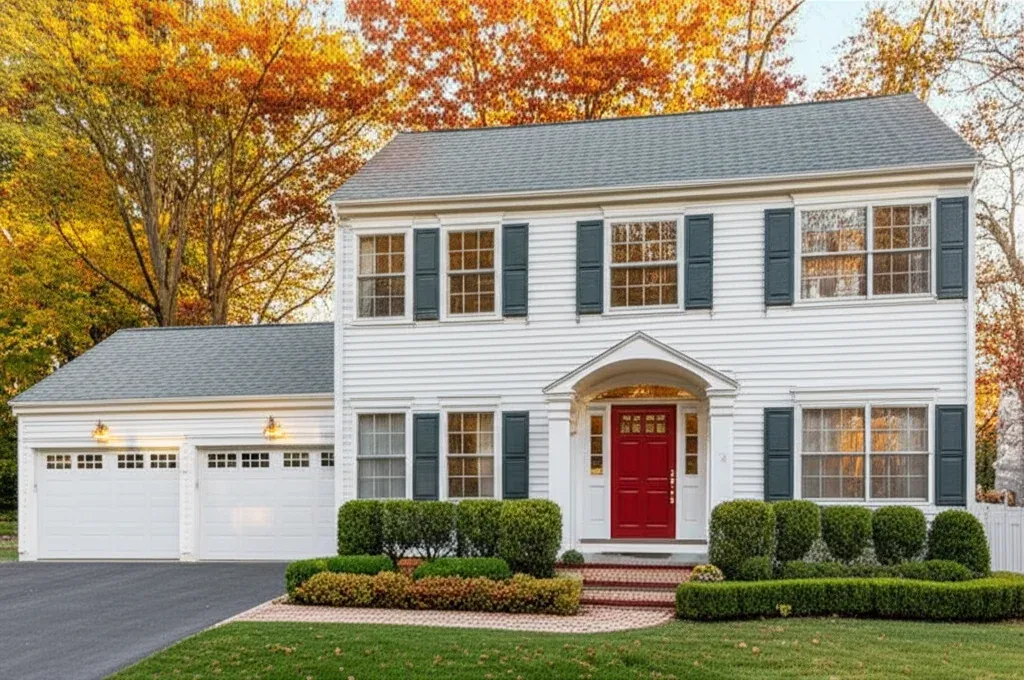
Alongside that sits the ordinary postwar inventory: capes, ranches and colonials from the fifties through the seventies, most on their second or third kitchen. And then the rebuilds — a large new house on an old lot, with a 48-inch built-in or a pair of columns, undercounter drawers in the island and a wine cabinet in the butler's pantry.
How each one fails
- Slab-floor houses give a condensate line nowhere to fall, so the run is long and shallow and ices at the far end
- Shallow kitchen walls mean a boxed column with tight side clearance and a hot cavity behind the panel
- New builds put the ice maker on a water line crossing an unheated joist bay — the January freeze-up
- Panelled doors on a heavy new install sag before anything electrical goes wrong
Reading it
The order the checks come in
A Lexington call usually starts with a temperature complaint rather than a dead cabinet, and temperature complaints are where guessing is most expensive. The base grille comes off first: condenser condition, fan behaviour and the temperature rise across the coil say more in five minutes than a meter does in twenty.
After that it is the two sections read together, so a dual-system cabinet is treated as two systems rather than one confused one, then the defrost cycle proved end to end — heater, termination, and where the meltwater actually goes. Door and hinge tension last, because on a panelled unit that is frequently the whole answer.
Bring to the phone
- Model and serial from the plate
- What each section reads, and what it is set to
- How long it has been drifting, and whether a hot spell started it
- Whether the ice maker slowed down at the same time
Winter
Cold-weather faults that look like control faults
A secondary unit in an unheated garage or mudroom — common on the older Lexington lots — behaves oddly once the ambient drops below what the cabinet was designed for. The compressor stops cycling normally, the freezer side warms, and the control reports something that looks like a fault. It usually is not one.
Water lines are the other winter theme. An ice maker fed through an exterior wall or an uninsulated bay stops producing in a cold snap, and the fill valve gets blamed for a line that is simply frozen fifteen feet away.
From here
Pick the cabinet, or another town on the run
- Refrigerator repair Columns and over-under built-ins: warm sections, noisy condensers, water at the toe kick.
- Freezer repair Frost patterns, drawer airflow, defrost circuits and a cabinet that will not rest.
- Ice maker repair Fill valves, frozen supply lines, stalled harvest cycles and clear-ice machines.
- Wine cooler repair Zone sensors, set-point drift, tired seals and condensers behind a toe grille.
- Brookline Apartment kitchens, boxed-in columns and access that has to be planned before the visit.
- Natick Four eras of kitchen, and the second refrigerator in the garage that only calls twice a year.
- Weston Several cabinets per house — main kitchen, island drawers, pantry unit and lower-level wine.
In their words
From callers nearby
5 out of 5 across 1,012 reviews.
5 out of 5
Our column sits in a tight cabinet run in a Cape up off Hillside and I fully expected the panel to get scratched. He eased the whole unit forward on sliders, found a failed door heater letting the seam sweat, changed it, and put everything back square by lunch.
5 out of 5
The seal along the bottom of the door had gone hard and the unit never rested. New gasket, and he looked over the condenser while he was down there. No fuss and no mess left behind.
5 out of 5
Everything in the top basket had gone soft. He diagnosed a failed door switch leaving the interior light burning and warming the cabinet, which I would never have worked out. Part fitted the next morning.
Booking
Book a Lexington visit
Two minutes on the phone usually narrows it to two or three causes before anyone is dispatched.
Flat $95 service call, credited against an approved repair. Details on the contact page.